

Original source
Azerbaijani news agency
Visit original source: Report.azAzerbaijan · Caucasus
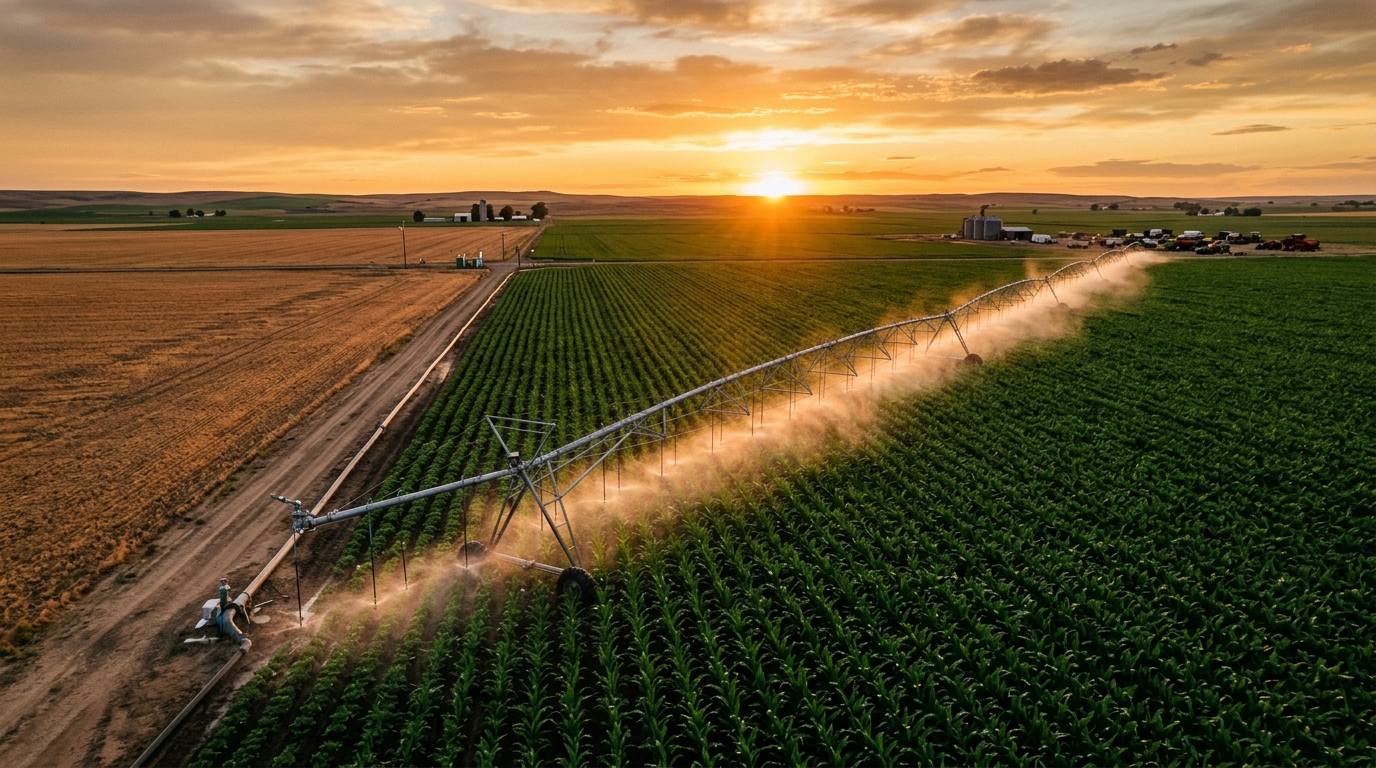
Azerbaijan's Minister of Agriculture, Majnun Mammadov, announced that delays in irrigation water supply to farmers are now compensated under the agricultural insurance mechanism. Speaking at a meeting of the Agrarian Policy Committee of the Milli Majlis (the country's parliament), the minister emphasized that this measure is aimed at protecting the rights of agricultural producers and ensuring timely water supply.
According to the head of the ministry, there have already been several instances in the republic where water was not supplied to farmers on time or water delivery was delayed, and farmers were subsequently able to recover their funds through agricultural insurance. Majnun Mammadov explained that such cases are classified as damage caused by third parties and are covered by the Agrarian Insurance Fund (Aqrar Sığorta Fondu). To receive payouts, farmers simply need to insure their products against risks that may be created by third parties.
This step represents an important precedent for the regional insurance market. Amid climate change and growing water scarcity in Central Asia and the Caucasus, risks associated with irrigation are becoming critical for agricultural sustainability. Traditional agricultural insurance policies typically cover only natural disasters (drought, hail, floods). Including an anthropogenic factor—delays in water supply by infrastructure organizations—among insurance coverages changes the approach to risk assessment and underwriting in the agricultural sector. Actuaries will have to revise models for assessing the probability of such events, taking into account the depreciation of irrigation networks and the human factor.
In addition, the minister announced another major initiative. The Agrarian Insurance Fund of Azerbaijan has developed a proposal to introduce a market price insurance mechanism, which will protect farmers from losses if they sell products below cost. This proposal is currently in the coordination stage among state agencies. After this proposal is agreed upon, a draft of legislative amendments will likely be submitted to the Cabinet of Ministers, the Presidential Administration, and the Milli Majlis.
The official statement of the Minister of Agriculture sparked active discussion among market participants and legislators. Members of the parliamentary committee noted the importance of expanding insurance coverage to reduce the financial burden on the state budget when mitigating the consequences of droughts and infrastructural failures.
Actuarial Takeaway: Extending agricultural insurance to cover irrigation delivery bottlenecks blurs the line between natural peril (drought) and utility infrastructure failure. Actuaries must adjust basis risk models and incorporate utility network reliability metrics into crop multi-peril pricing and catastrophe loading.
VIP Quotes & Public Reactions
Public statements by leaders, regulators, scientists and industry figures — on social networks, at conferences and in official releases
There have been several cases where water was not provided to the farmer on time or water supply was delayed. The farmer was able to recover his funds under agricultural insurance. Damage caused by third parties is covered by the Agrarian Insurance Fund.
Related articles
Back to all news →
SCOR Study: European Corporate Captive Insurers Maintain 221% Median Solvency Ratio Under Solvency II Framework
