

Original source
Leading publication for international insurance news.
Visit original source: Insurance JournalUkraine · CIS & EAEU
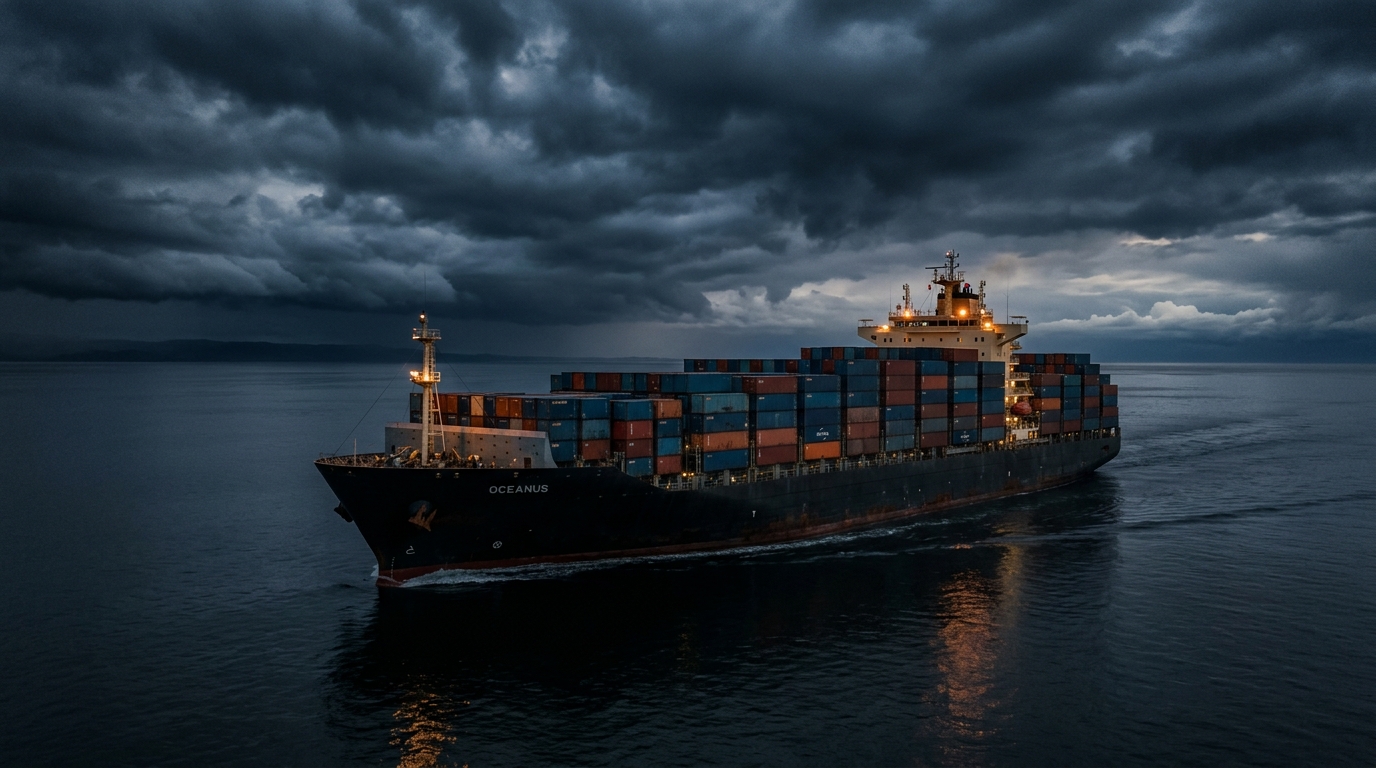
Escalating military actions against commercial vessels in the Black Sea are causing significant concern in the global insurance market. In early October 2026, drone strikes within Bulgaria’s exclusive economic zone resulted in the sinking of one cargo vessel and damage to another, exposing the vulnerabilities of maritime logistics. These incidents are forcing insurers to reassess war risk premiums.
Expansion of War Risk Zones by the Joint War Committee
Experts note that the situation extends beyond immediate conflict zones. On September 16, 2026, the Joint War Committee (JWC) expanded its Black Sea 'listed area':
- While this does not automatically trigger universal premium hikes, it necessitates individual negotiations for each contract to account for emerging asymmetric threats.
- A major challenge for underwriters is the proliferation of aerial and uncrewed surface vessels (USVs), threats that were not fully integrated into traditional marine hull and war risk actuarial tables.
Underwriting and Actuarial Implications
For insurers and actuaries, this situation requires a fundamental review of risk assessment methodologies:
- Neutral Flags & Civilian Cargo: Flag state, private ownership, or civilian cargo can no longer be treated as assurance against attack.
- Premium Volatility: Expansion of high-risk perimeters drives up war risk surcharges and forces meticulous voyage-by-voyage underwriting.
- Supply Chain Compression: Operational margins of marine transport operators face acute margin pressure.
International Response and Regional Impact
European Commission President Ursula von der Leyen condemned the attacks on civilian vessels as 'absolutely unacceptable,' citing violations of international maritime law. Bulgarian President Rumen Radev echoed these concerns, noting that naval strikes severely hamper shipping and drive up insurance costs.
Actuarial Takeaway for Central Asia: For exporters relying on Black Sea transit routes, this trend signals ongoing logistics cost inflation. Actuaries and risk managers must incorporate dynamic war risk loading into transit cost projections.
VIP Quotes & Public Reactions
Public statements by leaders, regulators, scientists and industry figures — on social networks, at conferences and in official releases
Commercial ships — and innocent crews — are being targeted, with lives already lost at sea.
What is happening hampers severely shipping in the Black Sea, drives up insurance costs even further, and makes maritime operations extremely difficult.
Related articles
Back to all news →
SCOR Study: European Corporate Captive Insurers Maintain 221% Median Solvency Ratio Under Solvency II Framework
