

Original source
Based on official US Treasury statements and agency reports.
Visit original source: Iran InternationalUSA · Global & AI
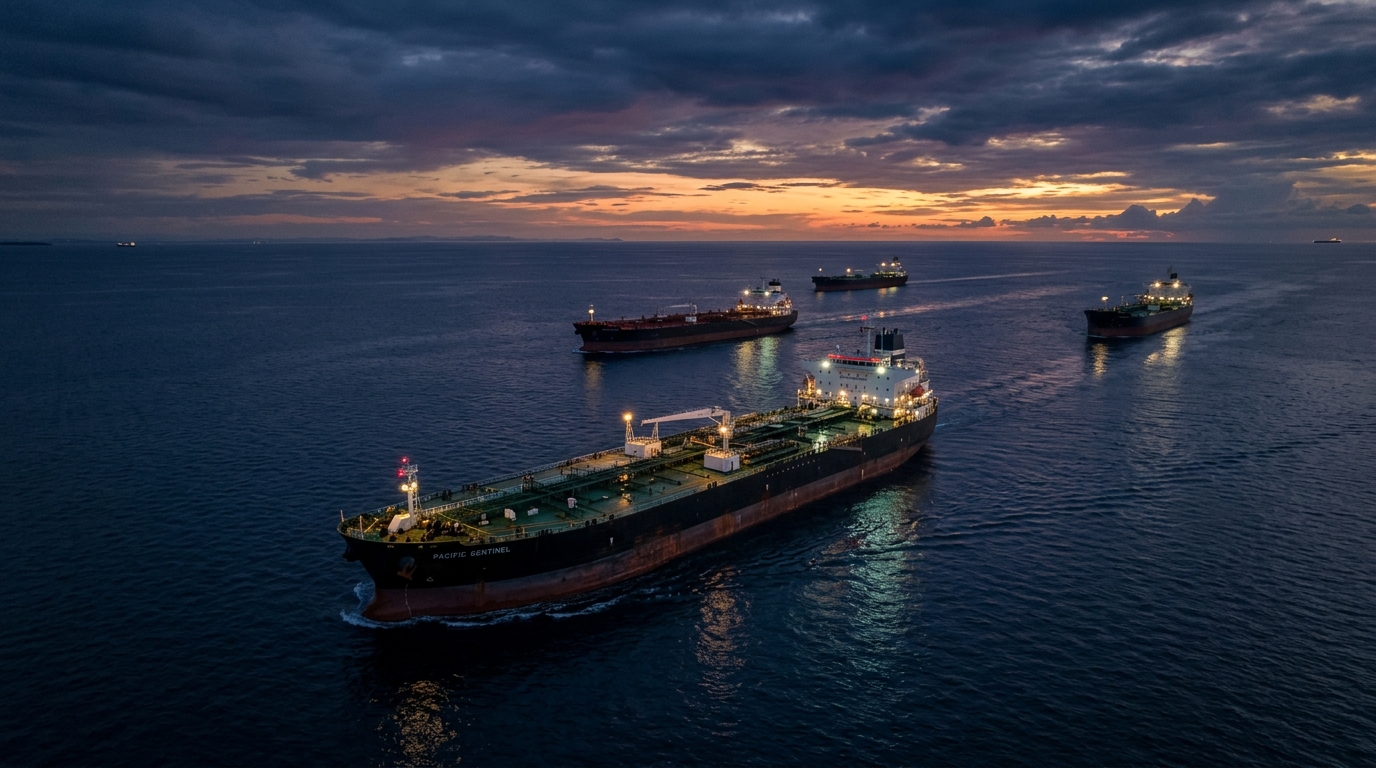
The US Treasury has imposed new sanctions on 17 vessels involved in transporting Iranian oil as part of Operation Economic Outcast. This action significantly increases compliance risks for international P&I Clubs, which must now immediately terminate coverage for these vessels to avoid secondary sanctions. In total, the measures target 22 vessels, 27 entities, and 6 individuals, including facilitators in India, Turkey, and the UAE.
Actuarial perspective
From an actuarial perspective, this measure shifts the risk profile for marine insurance. Insuring 'shadow fleet' vessels becomes virtually impossible for legitimate market participants, forcing owners into informal or high-risk insurance schemes. For actuaries, this necessitates a reassessment of war risk and liability models in the Persian Gulf region. The rising cost of compliance and the need for rigorous due diligence directly impact insurers' operating expenses.
Implications for insurers and actuaries
- Systemic risk: Sanctions now encompass not only maritime transport but also the automotive, aviation, and rail sectors, creating systemic risk for insurance portfolios linked to these industries.
- Network encirclement: Pressure is applied through financial institutions and insurers, rendering transactions economically unviable rather than relying on physical blockades.
- Compliance burden: Insurers must now account for 'social inflation' and rising operational costs when modeling future cash flows.
While Iranian officials, including Central Bank Governor Abdolnaser Hemmati, maintain the economy's resilience, analysts note that the strategy of 'network encirclement' is designed to make trade across multiple routes simultaneously more expensive. For insurers operating in the region, including those dealing with Turkey, India, and the UAE, this implies tighter supply chain monitoring.
Actuarial conclusion: The expansion of the sanctions regime requires insurers to revise their counterparty risk assessment methodologies. The probability of losses due to secondary sanctions is becoming a significant factor in reserve calculations. Actuaries must account for 'social inflation' and rising compliance costs when modeling future cash flows in the marine insurance segment. Source: Iran International, October 8, 2026.
VIP Quotes & Public Reactions
Public statements by leaders, regulators, scientists and industry figures — on social networks, at conferences and in official releases
Treasury is starving the tyrannical regime in Tehran of the money it uses to wage war in the region, and we will continue exposing those who enable the regime’s oil sales.
Related articles
Back to all news →
SCOR Study: European Corporate Captive Insurers Maintain 221% Median Solvency Ratio Under Solvency II Framework
