

Five working days after an Almaty earthquake: when would the fund have the cash?
Against ₸750 billion in claims, the fund could pay ₸31.13 billion in the first five working days of the base scenario. When would the rest become available, and what would fall to the state?
QCA researchSuppose every insured loss is confirmed on the same day and the fund receives every claim. Families are due ₸750 billion. The fund holds assets and its modelled reinsurance contract covers part of the loss. How much cash could it actually transfer to families by the fifth working day?
All claims fall due together. Amounts in billions of tenge.
| Source | By working day five | Still to arrive or to be financed |
|---|---|---|
| Fund assets | 31.13Liquid share of fund assets | 38.05Remaining assets, release date unspecified |
| Reinsurer | 0.00Base case assumes no receipt | 79.66Remaining recovery, timing depends on the contract |
| State | Date unspecifiedNo state transfer is included in available cash | 601.16Support needed if assets run short, timing and instrument unspecified |
- Cash available by the deadline
- 31.13
- Cash shortfall at the deadline
- 718.87
Claims due to families · 750 billion ₸. Each family’s claim has its own payment deadline.
When the clock starts
Under Article 137(5) of the published draft law, the fund has five working days to pay once the commission has confirmed the insured event and the fund has received the application. Two neighbours can therefore face different payment dates. The earthquake itself does not start the clock for either claim.
QCA’s stress test puts the earthquake in the fund’s sixth year. It assumes 50,000 homes destroyed and another 100,000 damaged. At an average premium of ₸15,000, the formula pays ₸7.5 million for a destroyed home and ₸3.75 million for a damaged one, bringing total claims to ₸750 billion. Making all claims due together tests liquidity. The actual timing of applications is unknown.
What the fund could pay at once
The fund holds ₸69.18 billion in assets when the earthquake hits. The model assumes it can turn 45% into cash for claims within five days. That gives it ₸31.13 billion, about 4.15% of the amount due. The remaining ₸38.05 billion in fund assets can be released later. The model does not specify a date.
Families claim from the fund. Its reinsurer reimburses the fund for part of the loss. In this scenario the contract would return ₸79.66 billion over the settlement period. The base case assumes none arrives within five days. If the contract allowed a 50% advance and it arrived by the deadline, the fund would have ₸70.96 billion in hand. This is a sensitivity test. An agreement to pay such an advance has not been established.
Who funds the shortfall?
If ₸750 billion fell due on one date, the immediate cash shortfall would be ₸718.87 billion. Of that, ₸117.71 billion is a timing problem: the fund could later release ₸38.05 billion of its own assets and collect ₸79.66 billion from its reinsurer. Paying on time would require someone to bridge that interval, for instance through a credit line arranged in advance. The model assumes no such facility.
Another ₸601.16 billion would still be needed after full reinsurance recovery. Under Article 136(2) of the draft, the Government must take measures under the Budget Code to ensure reimbursement when the fund’s assets are insufficient. The clause specifies neither a transfer date nor a sum already authorised for drawdown. The ₸601.16 billion measures the support required. It cannot be counted as cash received by day five.
The step between a guarantee and a payment
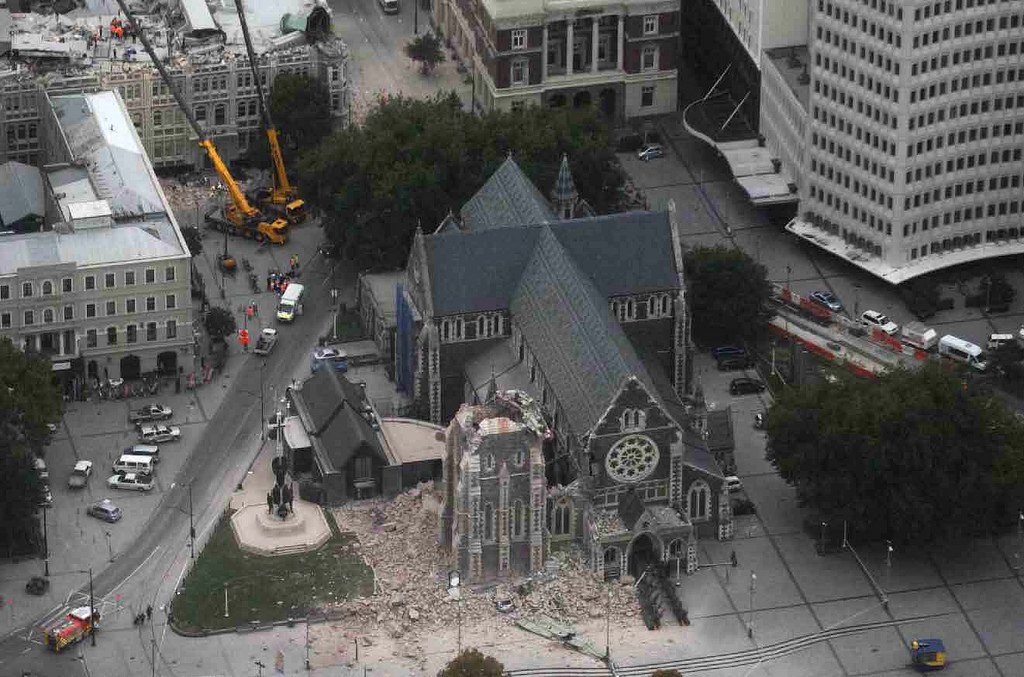

New Zealand’s Treasury documented that step on 29 October 2018. It had authorised a first shortfall payment of NZ$50 million, excluding goods and services tax, to the Earthquake Commission and scheduled the transfer for 1 November. Treasury would continue to review the commission’s monthly cash-flow forecasts. The same two details matter for Almaty: who can authorise a transfer, and when will it reach the fund’s account?